Plate recognition is the one component that changes how a car park feels. Not because it is modern, but because it removes the single action drivers hate: stopping, opening a window and looking for a card.
What it actually gives you
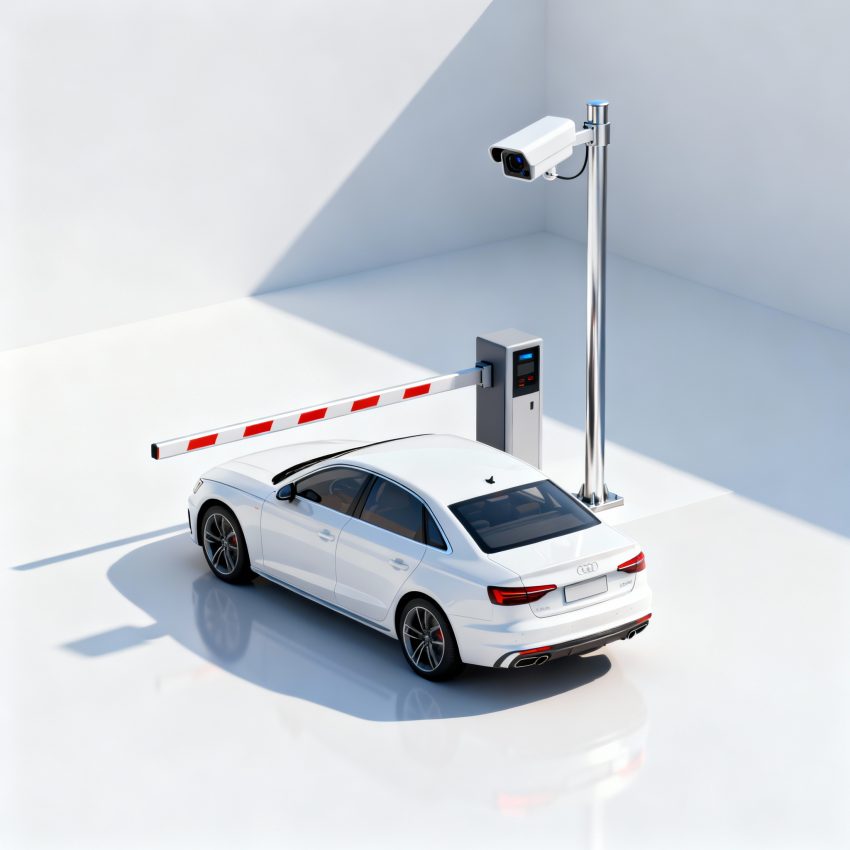
- Entry without stopping. The plate is read on approach and the barrier is already opening. On a morning peak in an office building this alone removes most of the queue.
- Subscriptions tied to a vehicle. No cards to issue, lose or pass to a neighbour. Access is edited in the interface.
- Anti-fraud. The plate at entry is compared with the plate at exit, so a ticket cannot be handed over to another car.
- Records. Every entry and exit is logged with a timestamp and an image — which settles disputes in seconds.
Where it is not enough on its own
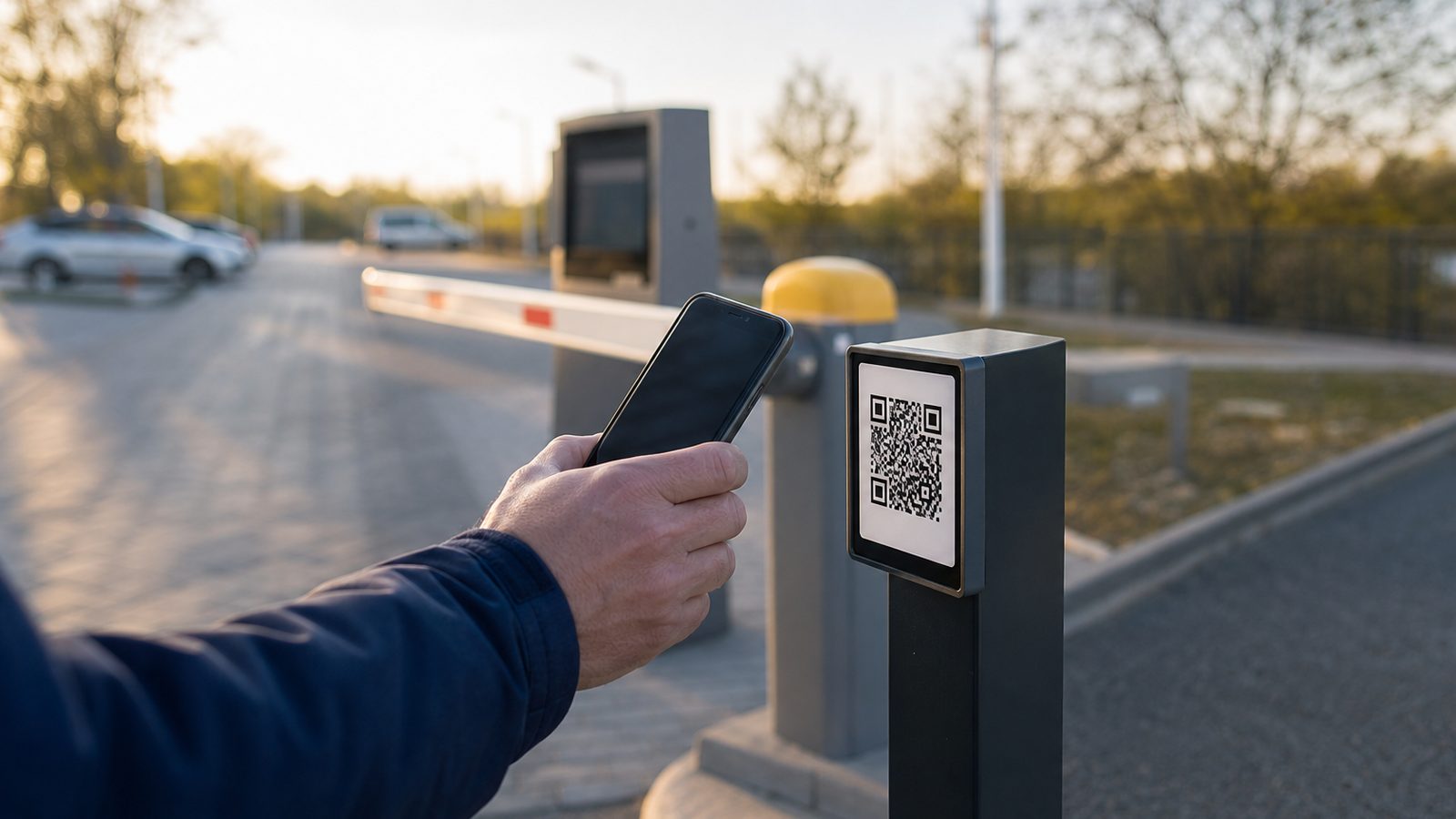
Recognition is a method of identification, not of payment. It works together with tariffs and a payment channel — a kiosk or QR payment. And it needs a fallback: a dirty plate, heavy snow or a foreign format happen, and the vehicle must never simply be stuck at a closed barrier.
Cameras and mounting
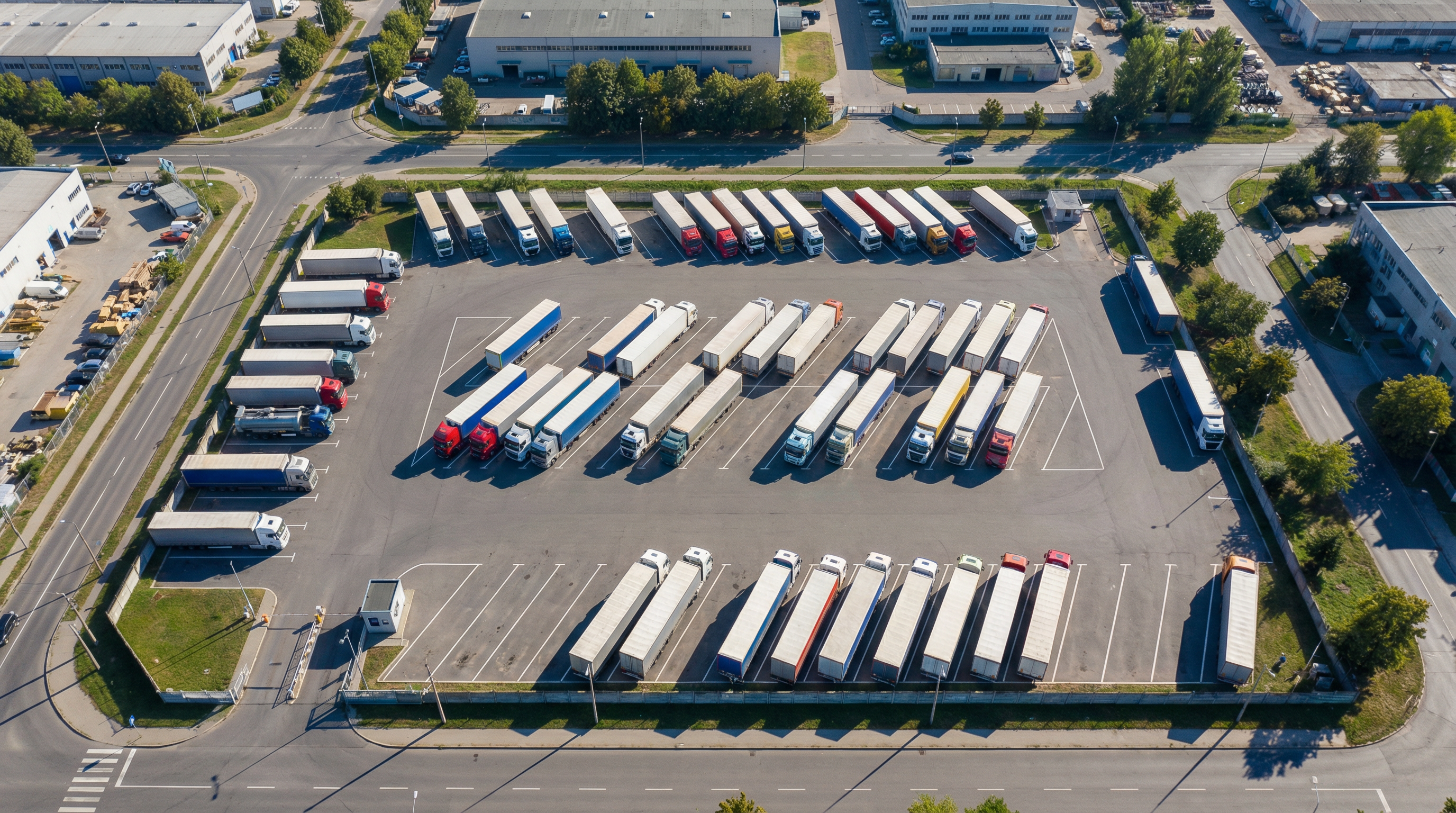
Recognition quality depends less on the software than on where the camera looks from. Mounting height, angle, distance to the stop line and lighting are decided per site. A truck entrance and a residential ramp need different geometry — a camera set for a passenger car will keep missing a tractor unit’s plate.
Common questions
Does it work at night?
Yes — cameras are selected with night operation in mind and mounted for the site’s lighting. This is exactly why we look at the object rather than sell a boxed kit.
Can it be added to an existing car park?
Yes, that is the most common case. With working barriers, adding the control part and recognition starts at €2,000.
See also: all parking equipment · complete systems · software
Equipment and modules
Barriers · Payment kiosks · ANPR / LPR recognition · QR payment · Modernisation