A payment kiosk solves one problem, and it is not payment as such. Cards work at the exit too. The kiosk exists to move payment away from the barrier.
Where the exit queue really comes from
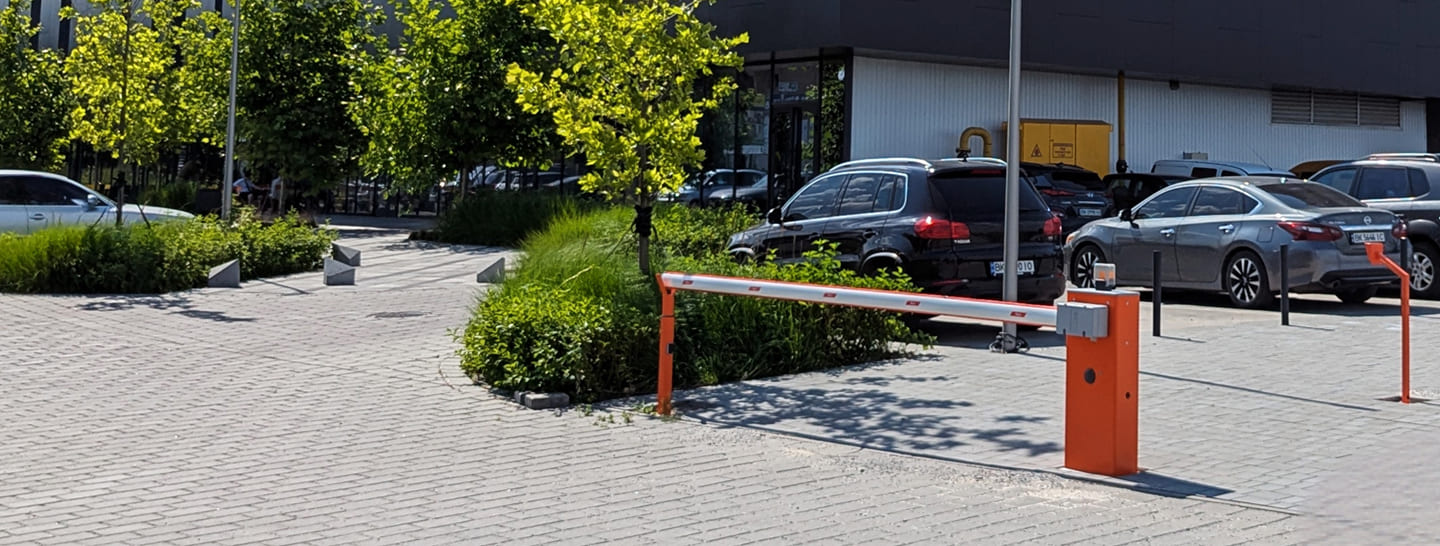
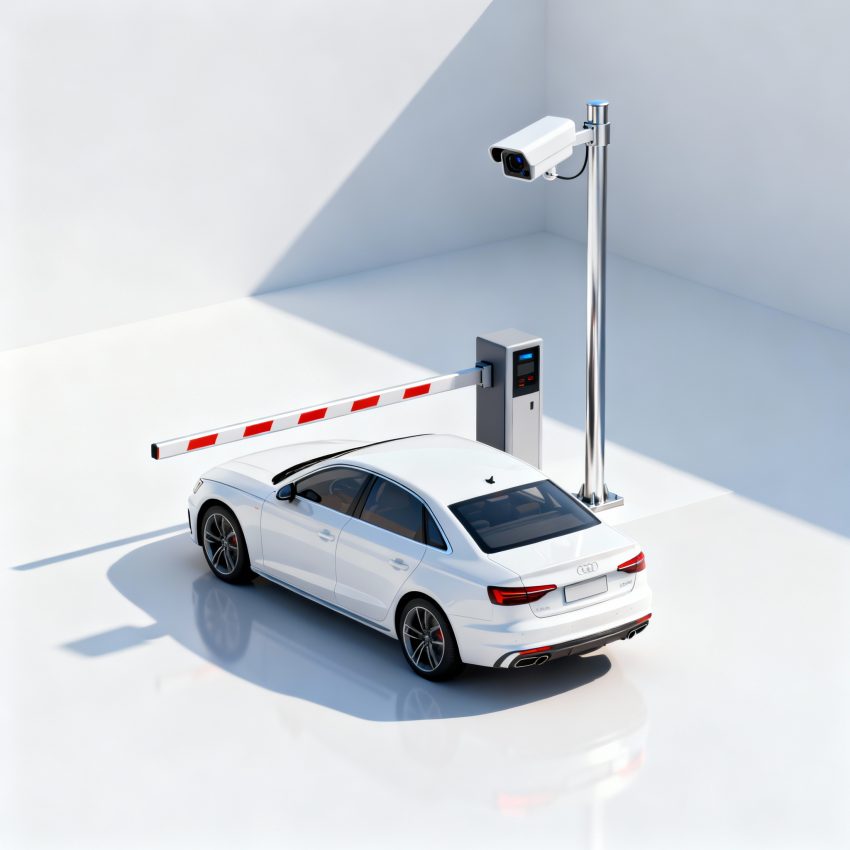
If everyone pays at the exit, each car spends an extra minute at the barrier while the driver finds a card, taps, waits for confirmation. Multiply by a busy Saturday and the ramp is blocked. A kiosk in the hall shifts that minute to the time the customer is walking to the car — the barrier then only has to recognise a paid ticket.
This is why kiosks are essential for shopping malls and largely unnecessary for a small residential car park living on subscriptions.
Payment methods
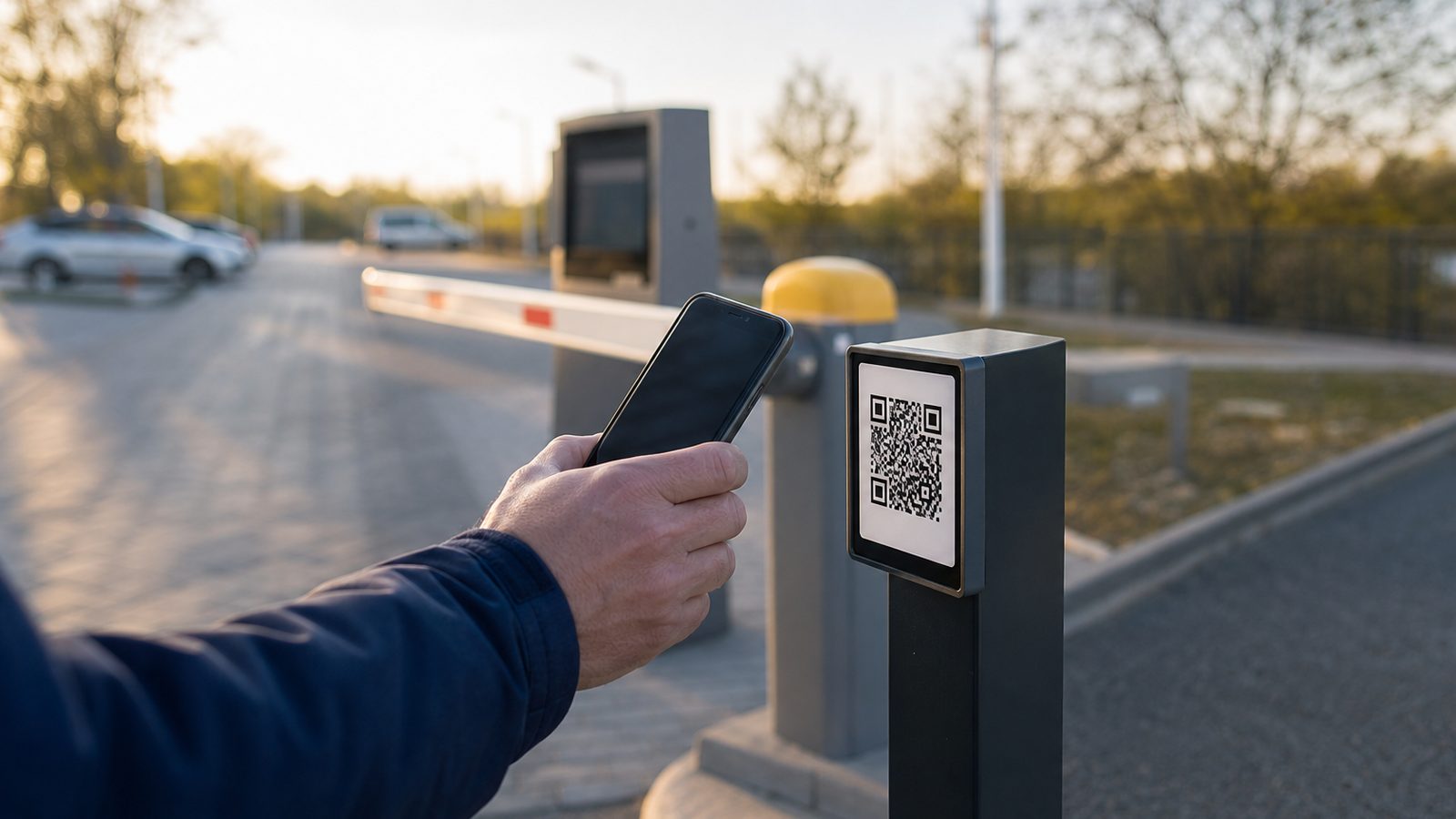
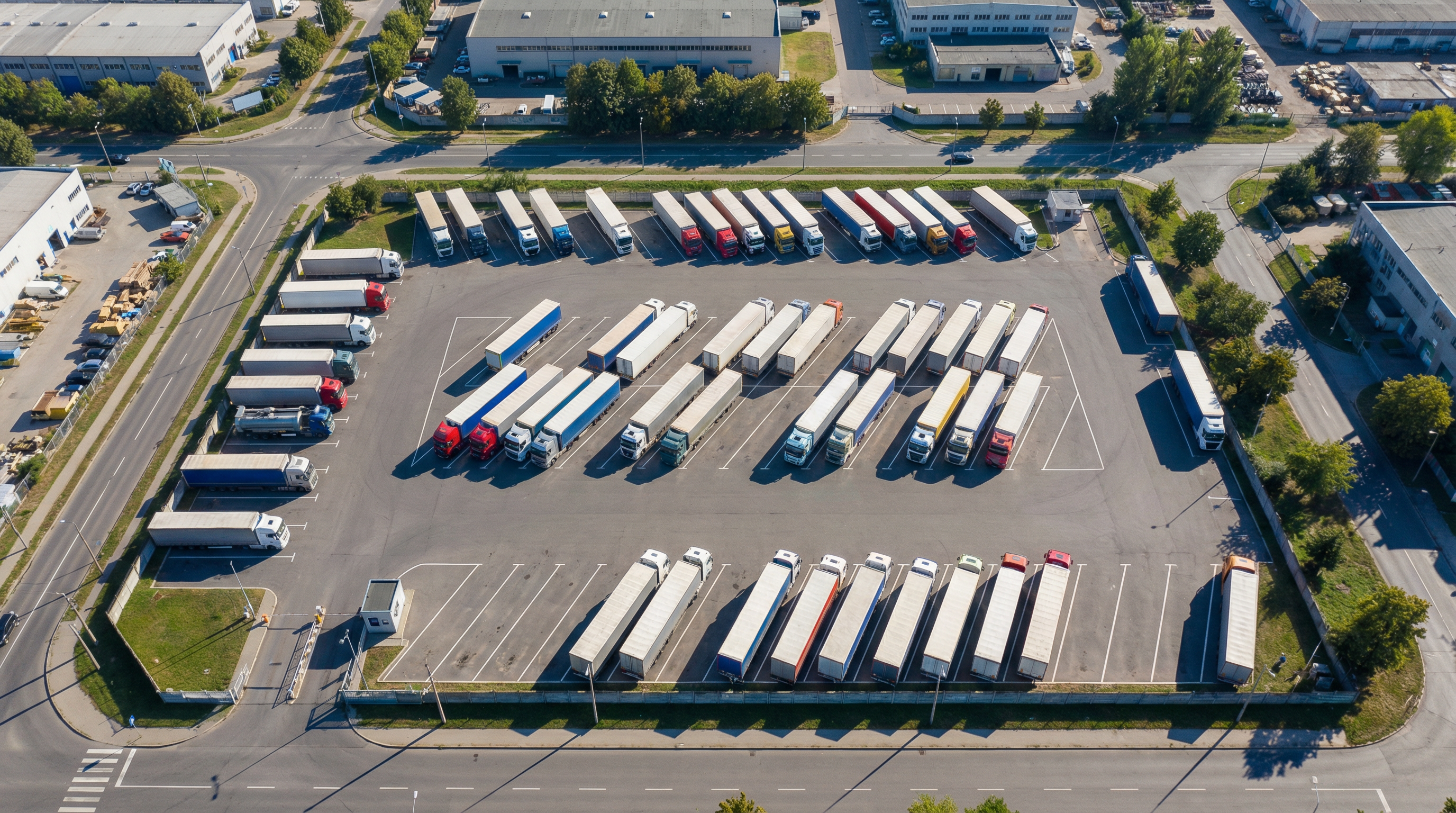
Cards, contactless, QR from a smartphone. A bill acceptor is added when the site has a real flow of customers without cards — a truck stop, for instance, where drivers may be foreign and carry cash.
Prices
- Payment kiosk — €1,000.
- Bill acceptor — €200 more.
- Cloud infrastructure and updates — from €200 per month.
The difference between the two configurations is small, so decide by whether you actually have cash customers, not by price.
Common questions
How many kiosks does a site need?
Calculated from peak flow, not floor area. One kiosk covers a modest office building; a mall usually needs several, placed on the routes people take back to their cars.
What if the kiosk fails?
The exit is not blocked — payment stays possible by another method and the system records the situation. We see device status remotely, so we usually know about a fault before you do.
See also: all parking equipment · complete systems · software
Equipment and modules
Barriers · Payment kiosks · ANPR / LPR recognition · QR payment · Modernisation