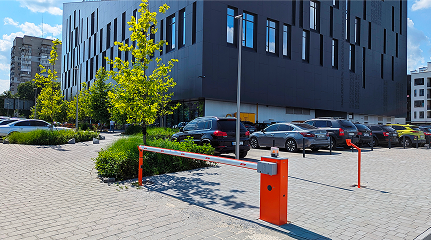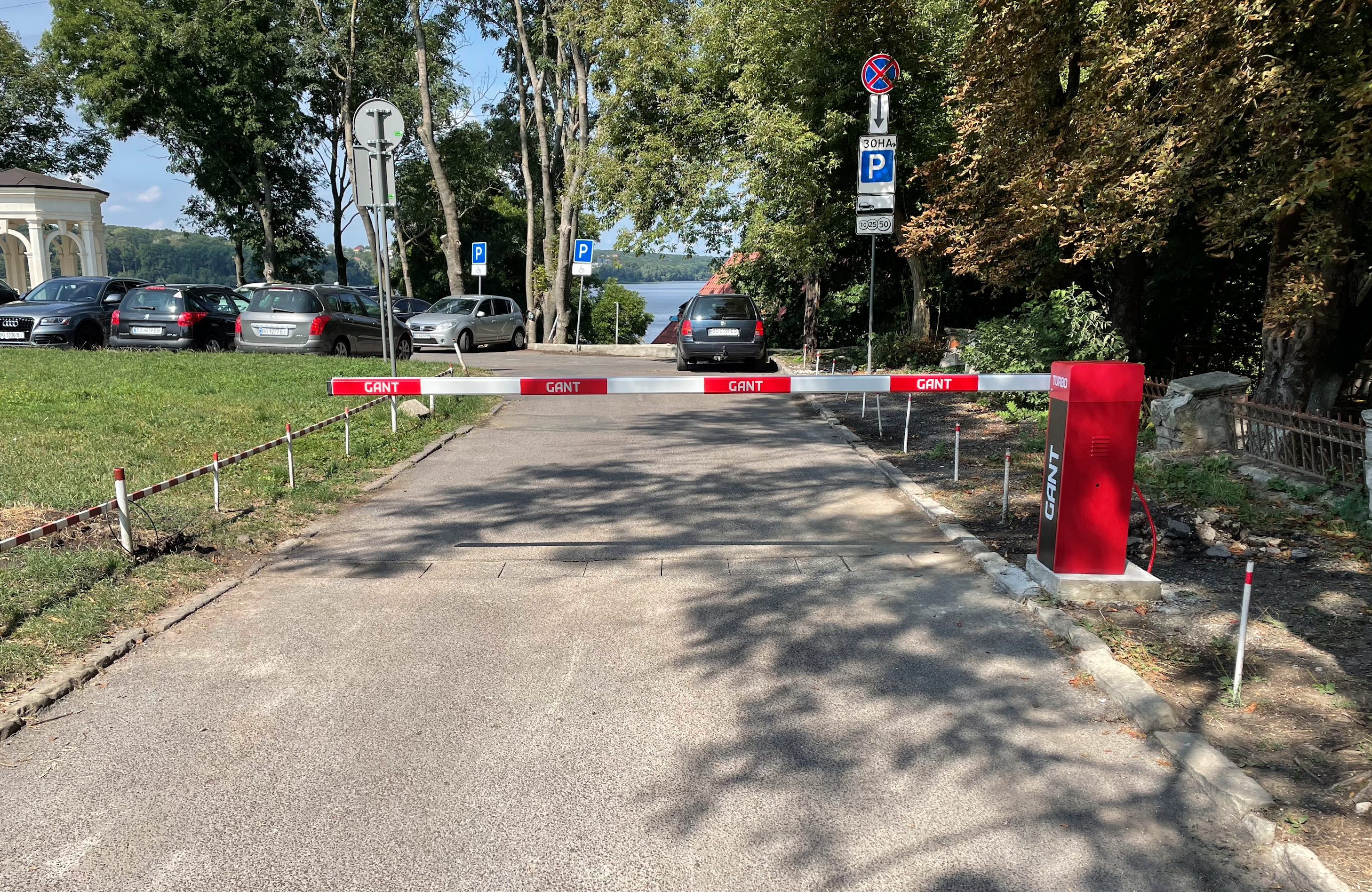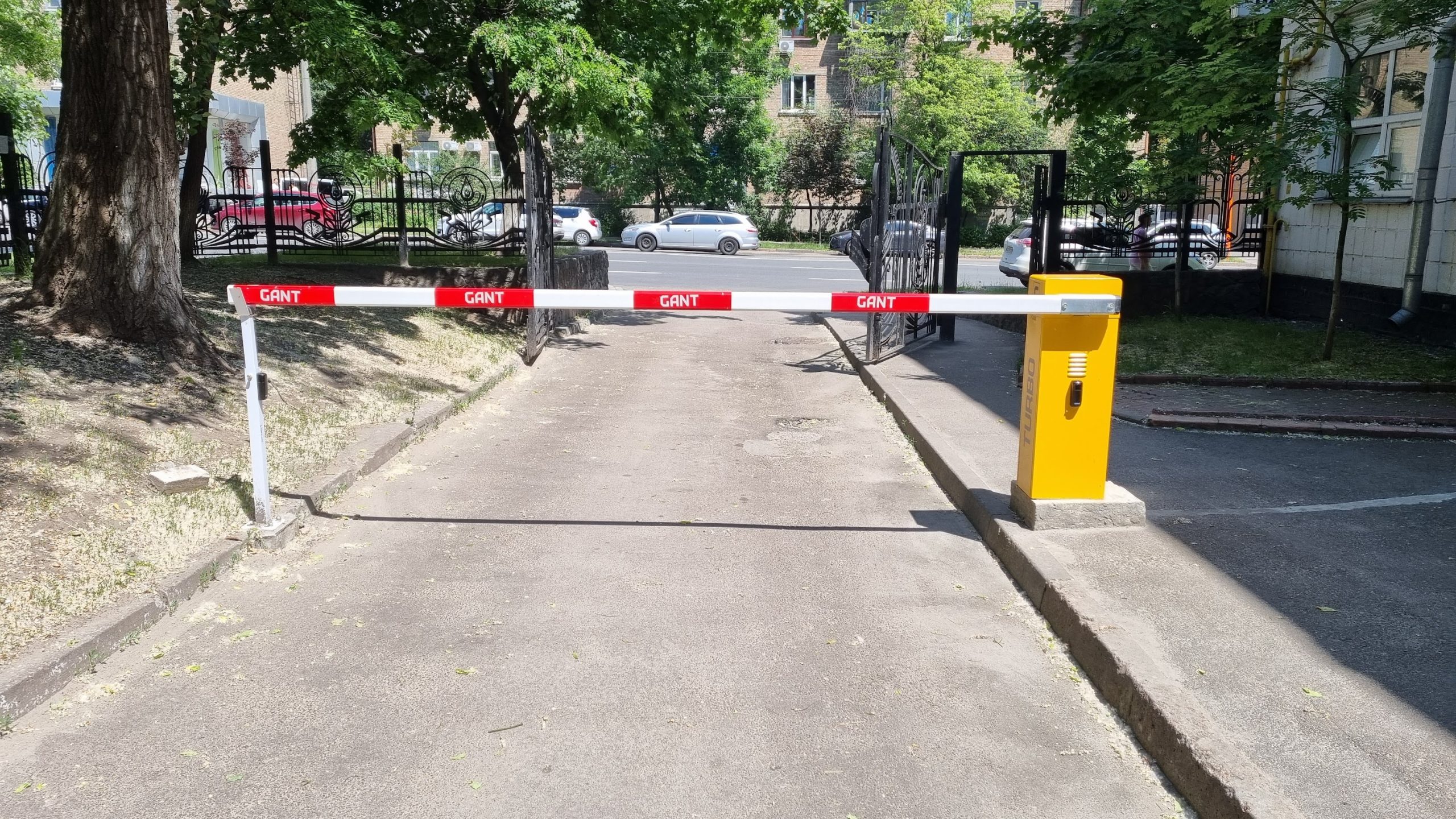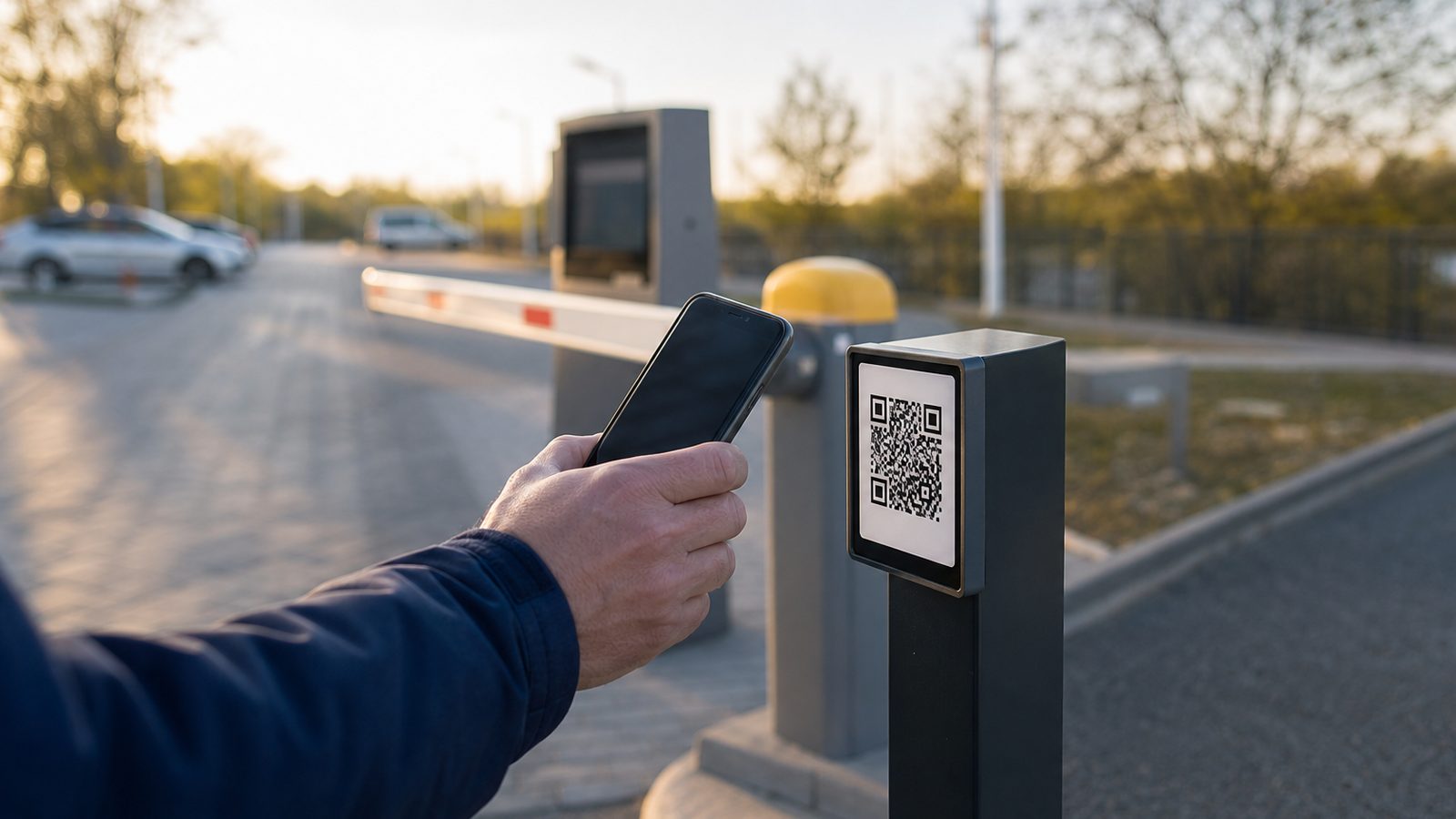
Most car parks that “need replacing” do not. What ages is the control part and the software; the mechanics, cable runs and induction loops are usually fine. That is why modernisation typically costs about half of a new system.
It starts with an audit, not a quote
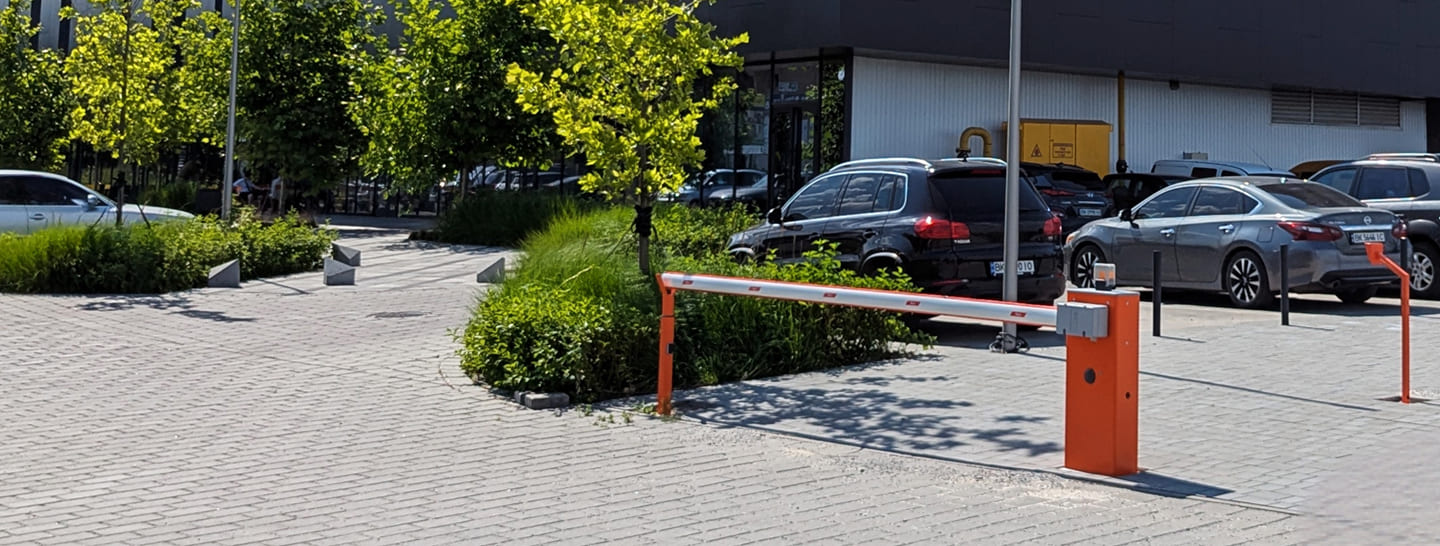
We look at what is installed: barriers, loops, cabling, pedestals, current controller. Then we produce a list — what stays, what should be replaced, what is already dead. Only after that does a budget make sense. Two visually similar car parks can require completely different amounts of work, so a price given without seeing the site is a guess.
You do not have to close the car park
Work is normally staged: one lane keeps operating while we switch the other. A full stop is rarely necessary and, when it is, we agree the window in advance — usually at night or on the quietest day.
Equipment from another manufacturer is not a problem
If the existing hardware exposes standard control interfaces, we connect to it and leave it in place. If its controller is closed, we replace only the controller — barriers, pedestals and cabling stay. Recognition, tariffs, subscriptions and reporting then come from our software.
What it costs
With working mechanics, modernisation starts at €2,000 against €4,000 for a full set with new barriers. The cloud part is from €200 per month, software maintenance included. Launch takes from one week when the mechanics stay.
Common questions
How do we know whether to modernise or replace?
The audit answers it. As a rule of thumb: if barriers open reliably and the cabling is intact, the money belongs in the control part, not in new hardware.
What usually turns out to be the actual problem?
Not the barrier. It is the absence of records: no tariff control, no reports and no log of manual openings — which is where revenue quietly disappears.
See also: all parking equipment · complete systems · software
Equipment and modules
Barriers · Payment kiosks · ANPR / LPR recognition · QR payment · Modernisation